Wind Across the Steppe: Traversing the End of the Americas
On the southern tip of the South American continent, weather is not an atmospheric backdrop, but the supreme sculptor of all living form.
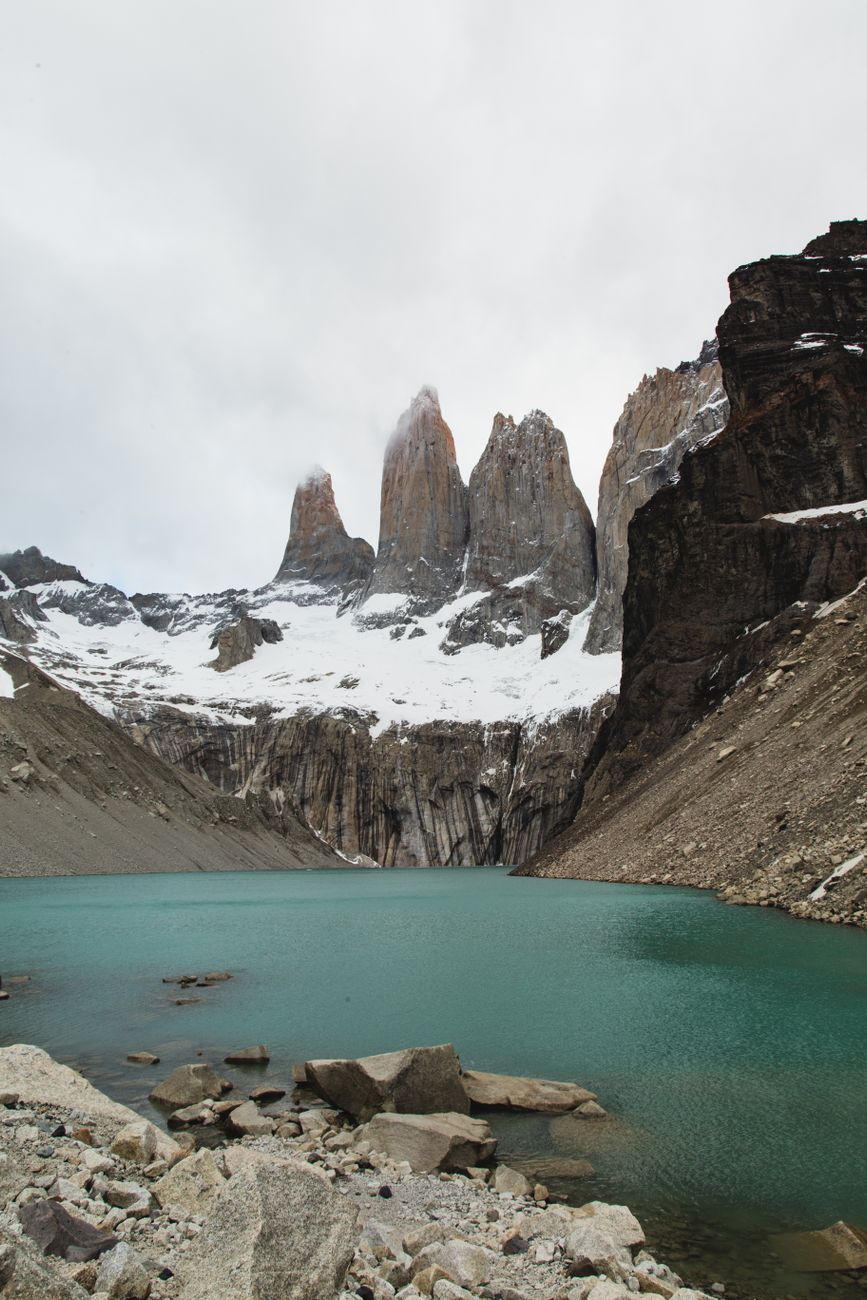
Table of Contents
Patagonia cannot be understood through gentle photographs. To step out onto the steppe near Puerto Natales is to be greeted by the relentless westerly winds of the Roaring Forties—winds that strip paint from fence posts, slant stunted lenga trees into permanent 45-degree bows, and fling spray straight off the glacial lakes like white sea-smoke.
1. The Roaring Forties and the Patagonian Gale
There is an austere purity to this landscape that humbles any traveler. Distance expands here: mountain ridges that appear thirty minutes away take five hours of walking over spongey peat and grey moraine scree. Herds of guanacos graze along fence lines with watchful eyes, their tawny coats rippling in the gale.
“In Patagonia, one does not conquer distance; distance gradually and methodically strips away one’s illusions of hurry.”
2. The Towers of Paine: Granite Under Storm Clouds
Within the Torres del Paine National Park, three colossal granite monoliths pierce the stormy heavens. Rising 2,500 meters into the jetstream, these towers tell the geological story of violent magma intrusions later carved by massive quaternary glaciers. Standing at the edge of the glacial tarn at dawn, the granite teeth glow neon apricot for seven minutes before the low grey squalls roll in from the Pacific ice fields.
3. Gaucho Culture and Solitary Estancias
Away from the trekking paths, life revolves around the vast sheep estancias established in the late nineteenth century. Gauchos, wrapped in heavy wool ponchos and wearing traditional berets, ride nimble criollo horses with sheepskin saddles. In the evening, lamb is slow-roasted over open lenga wood embers (asado al palo), accompanied by robust Carménère wine and dry maté tea passed from hand to hand.
4. Technical Gear & Wilderness Wisdom
Preparation here is a matter of safety. Three-layer GORE-TEX outerwear, merino base layers, and windproof alpine gloves are mandatory even in mid-summer (January). Ensure your tent can withstand sustained 80 km/h wind gusts if embarking on the O-Circuit or W-Trek.