In the Shadow of Cedar: Monastic Stillness in Mount Koya
High in the forested valleys of Wakayama, twelve centuries of incense smoke and contemplative austerity drift among giant redwoods.
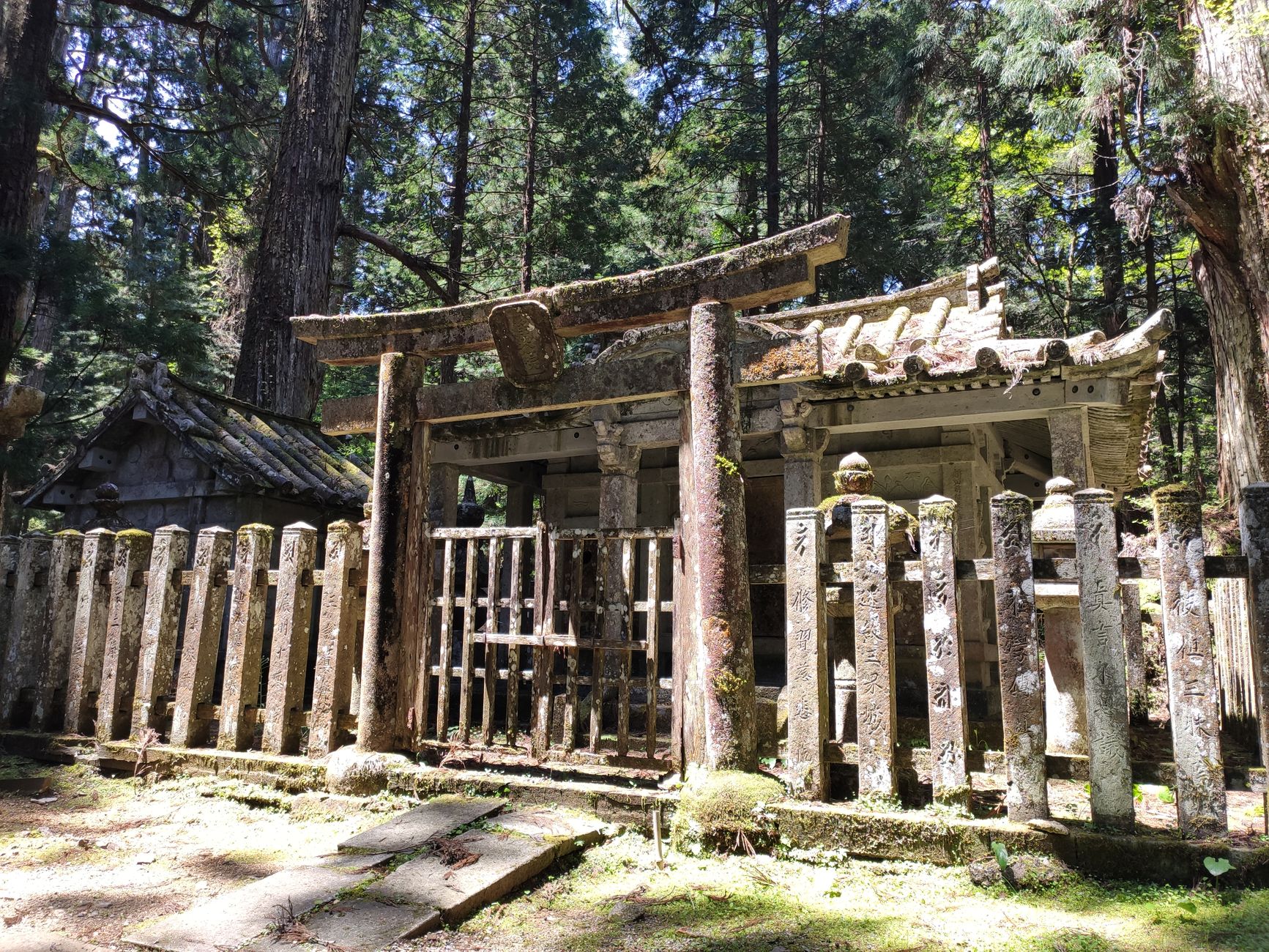
Table of Contents
Founded in 816 AD by the monk Kukai (posthumously revered as Kobo Daishi), Mount Koya (Koyasan) is situated in a high alpine plateau surrounded by eight peaks, reminiscent of an eight-petaled lotus flower. It remains the spiritual headquarters of Esoteric Shingon Buddhism, home to more than a hundred working temples.
1. The Sacred Basin Founded by Kobo Daishi
Ascending via the funicular railway from Gokurakubashi, the air cools dramatically. Koyasan exists at 800 meters elevation, cloaked in mist and surrounded by ancient cryptomeria cedars whose trunks measure three meters across. The modern world falls silent as gravel paths lead into temple compounds marked by delicate wooden lattice gates and polished hinoki verandas.
“To sleep in a Shukubo (temple lodging) is to surrender to the discipline of cedar-scented halls, sliding fusuma panels, and dawn bells ringing across mountain ravines.”
2. Wandering the Lanterned Solitude of Okunoin
The emotional center of Koyasan is Okunoin, Japan’s largest and most sacred cemetery. More than 200,000 stone stupas, lichen-encrusted gravestones, and memorial markers lie beneath the towering canopy of centuries-old cedar trees along a two-kilometer paved path. At night, hundreds of stone lanterns illuminate the pathway leading toward the mausoleum where Kukai is believed to rest in eternal meditative prayer.
3. Shojin Ryori: Devotional Vegetarian Gastronomy
Dining at a Koyasan temple is an aesthetic meditation. Shojin ryori, the monastic vegetarian cuisine developed over hundreds of years, strictly avoids meat, fish, and pungent alliums (garlic and onions). Instead, meals feature velvety sesame tofu (goma-dofu) topped with fresh wasabi, mountain yams, seasonal foraged fiddlehead ferns, and fragile seasonal tempura.
4. Temple Lodging Etiquette
Guests are expected to observe quiet hours by 9:00 PM, remove shoes at the genkan entrance, and assemble at 6:00 AM in the main prayer hall for the fire ritual (Goma) and chanting ceremony conducted by the resident monks.